Science cannot remain blind to those who need it most.
To speak of equity in science is to speak of whom science chooses to see and, consequently, of whom it still ignores.
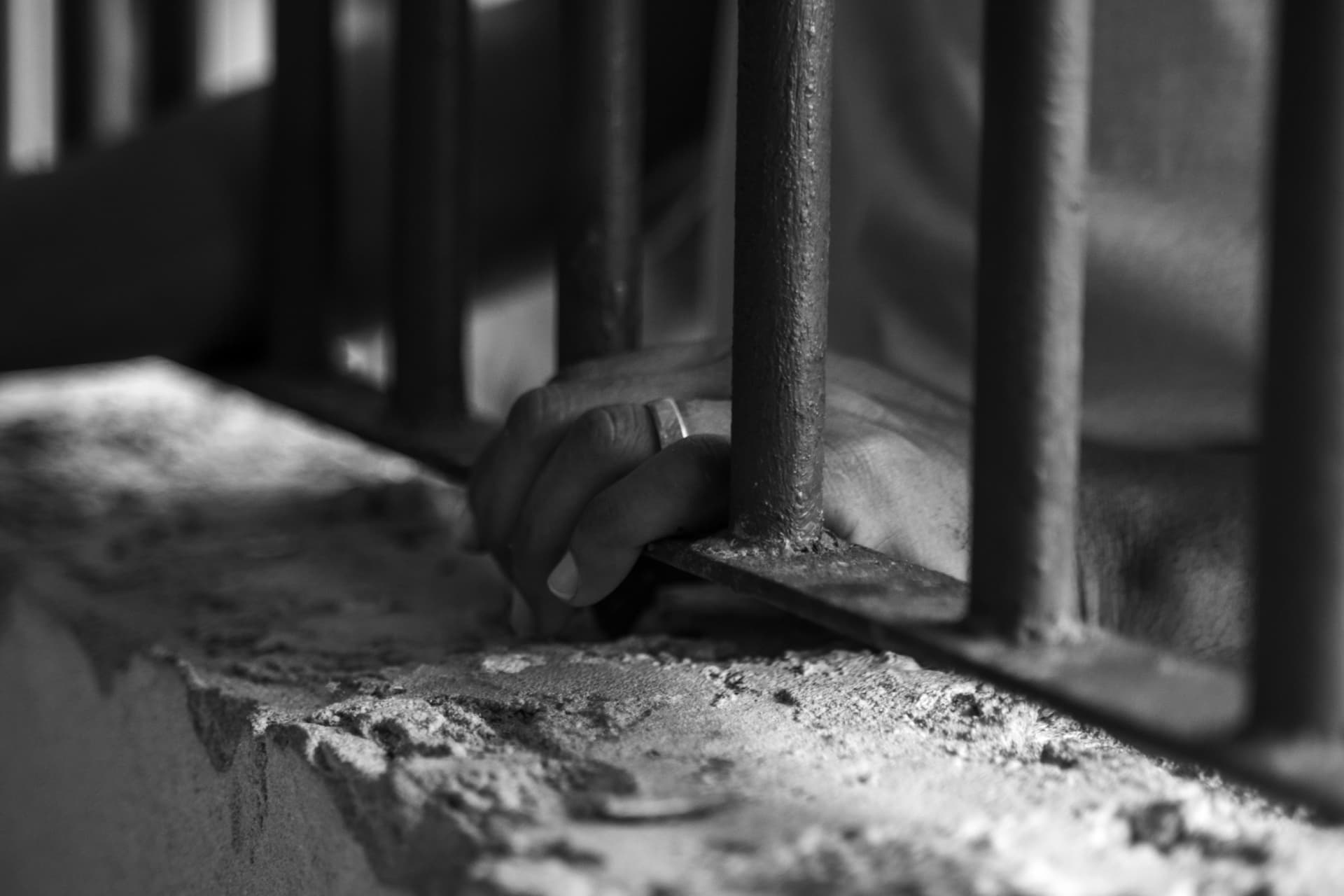
Much of what we know about health comes from contexts where research is easier, not where understanding is most needed. Populations facing the greatest barriers—incarcerated individuals, indigenous peoples, homeless individuals, migrants, people living with HIV—almost never appear in the evidence guiding policies or programs.
This is not a coincidence. It is structural. And when structure defines what is visible, it also defines what is possible to change.
Without data, there is no diagnosis. Without diagnosis, there is no public policy. And without inclusion, there is no health justice.
"Science needs to be where life is most difficult and where silence still speaks louder than evidence."
When science does not reach, the void is not neutral.
The absence of data creates the illusion that the problem is smaller than it truly is. And when suffering is not measured, it ceases to be treated as urgent.
The lack of information not only renders entire populations invisible but also distorts public health priorities.
Resources are then directed where numbers exist, rather than where the need is greatest.
Thus, the absence of data transforms into an absence of policies, and the absence of policies into an absence of care.
But data is not merely a measure.
It is a form of recognition.
Producing evidence about forgotten contexts is to restore existence to those whom scientific history has marginalized.
Each number carries a story, and each record is proof that someone was seen.
Conducting science where data is lacking is a choice of courage and commitment.
It is to recognize that there is no neutrality in remaining distant, and that generating evidence is, above all, an act of collective responsibility.
"To count is to recognize. To recognize is to care. To care is to transform."
Every absence has a price.
When science does not reach, what is lost is not just data, but destiny.
Each ungenerated piece of evidence is a story that could have changed a course, a life, an entire community.
Scientific exclusion is costly, and its value cannot be captured in spreadsheets.
It is the cost of lost opportunities, of lives limited not by a lack of solutions, but by a lack of access to them.
It is the price paid in years of life not fully lived, in generations that inherit inequality, and in economies that remain fragile because part of the population remains sick, invisible, and forgotten.
In public health, most problems are not mysteries without answers.
Solutions already exist, work, and save lives.
The real challenge is to ensure that what we already know reaches those who need it most.
Science does not need more discoveries; it needs more presence.
The impact of effective treatment extends far beyond clinical outcomes.
It changes trajectories, rebuilds families, strengthens communities, reconstructs countries, and solidifies economies.
Well-applied care has the power to transform not only individuals but also structures.
Conducting science in priority populations is an act of collective responsibility.
It is to understand that every absent data point is also an absence of justice, and that silence, when chosen, becomes complicity.
"Science's greatest error is not to err. It is to choose not to see. And, worse still, to choose not to act."
Those who have witnessed vulnerability firsthand forever bear the obligation to act.
After witnessing inequality in its most concrete form, there is no turning back.
To see is to cross a boundary. It is to understand that every delay, every absence, every silence has a cost that should not exist.
There are places where vaccines, medicines, and simple diagnostics could change entire destinies.
Where a timely result can prevent a loss, restore a family, give back a future.
But what separates life from death, often, is merely the absence of structure, access, and priority.
Those who choose to see up close also choose to bear the weight of what they see.
Because to perceive vulnerability is to realize that science is not neutral: it saves when it arrives and becomes omission when it does not.
And once this is understood, it is no longer possible to remain indifferent.
True transformation is born from this encounter between evidence and real life.
Between what is possible and what is not yet achieved.
Every gesture of care, every timely diagnosis, every initiated treatment is a seed of equity.
"To see is the beginning of change. And those who see cannot choose silence."